Moving across cities or states can feel overwhelming. Beyond the logistics and travel planning, one of the biggest concerns people face is keeping their belongings safe. Damaged furniture, broken glassware, scratched electronics, or misplaced boxes can quickly turn an exciting transition into a stressful experience.
Learning how to protect belongings during a long move is essential for reducing risk and avoiding costly mistakes. With the right packing methods, thoughtful preparation, and professional support, you can ensure your possessions arrive at your new home in the same condition they left.
Why Protection Matters in Long-Distance Moving
Long-distance moves involve far more variables than local relocations. Your belongings may travel hundreds or even thousands of miles. During that time, they are exposed to:
- Extended road vibrations
- Sudden braking or turns
- Weather changes
- Multiple handling stages
- Loading and unloading at different points
These factors increase the risk of scratches, dents, shifting, and breakage. Proper protection ensures that fragile items remain intact and that larger furniture pieces maintain their structural integrity.
Protecting your belongings is not just about preventing damage—it also preserves financial value and sentimental importance.
Step-by-Step Guide to Protecting Your Belongings
A structured approach makes the entire process more manageable.
Step 1: Declutter Before Packing
Before wrapping a single item, reduce what you plan to move. Sort through your belongings and separate them into:
- Keep
- Donate
- Sell
- Discard
Fewer items mean fewer boxes, lower moving costs, and reduced risk of damage. Decluttering also makes the packing process more organised and efficient.
Moving only what you truly need gives you a fresh start while simplifying logistics.

Step 2: Use High-Quality Packing Materials
One of the most common mistakes people make is using weak or recycled boxes that cannot handle weight and pressure. Long-distance travel requires durable materials.
Invest in:
- Double-walled moving boxes
- Heavy-duty packing tape
- Bubble wrap
- Packing paper
- Foam sheets
- Furniture blankets
- Stretch wrap
Quality materials provide shock absorption and structural support, significantly reducing the risk of breakage during transport.
Step 3: Wrap Fragile Items Individually
Fragile items should never touch each other inside a box. Wrap each piece separately using bubble wrap, foam, or packing paper.
After placing items inside a box:
- Fill empty spaces with padding
- Avoid gaps that allow movement
- Shake the box gently to test stability
If items shift, add more cushioning. Movement inside the box is one of the primary causes of breakage during long journeys.
Step 4: Disassemble Large Furniture
Whenever possible, disassemble larger furniture pieces such as:
- Beds
- Tables
- Shelving units
- Desks
Wrap each component separately with moving blankets or protective wrap. Place screws, bolts, and small hardware in labelled plastic bags and tape them securely to the corresponding furniture piece.
Disassembly reduces bulk, prevents structural stress, and makes loading more efficient.
Step 5: Protect Furniture Surfaces
Furniture surfaces are vulnerable to scratches and dents during transport.
To prevent damage:
- Cover sofas and mattresses with protective plastic covers
- Wrap wooden furniture in thick moving blankets
- Use corner protectors for sharp edges
- Secure padding with stretch wrap
Never leave wooden or upholstered furniture uncovered inside the truck. Even minor shifting can cause visible marks.
Step 6: Label Everything Clearly
Clear labelling helps movers handle items correctly.
Mark boxes with:
- Destination room
- “Fragile” if necessary
- “This Side Up” when required
Well-labelled boxes reduce confusion and minimise rough handling during loading and unloading.
The organisation directly contributes to safety.
Step 7: Secure Items Inside the Moving Truck
Even perfectly packed boxes can be damaged if loaded improperly.
When loading:
- Place heavy items at the bottom
- Distribute weight evenly
- Use straps to secure large furniture
- Fill empty truck spaces to prevent shifting
Strategic loading is essential for long-distance moves where road vibration can cause items to move over time.
Tips to Keep Belongings Safe During a Long Move
Small precautions can make a significant difference.
- Avoid overpacking boxes
- Keep valuables with you
- Use waterproof covers if rain is expected
- Take photos of electronics before disconnecting
- Create a detailed inventory checklist
- Pack an essentials box for immediate needs
Preparation reduces panic and prevents rushed decisions that lead to breakage.
Special Care for Fragile and Valuable Items
Certain items require extra attention during long-distance relocation.
Electronics
If available, pack electronics in their original boxes. These are designed specifically for protection. If not:
- Wrap devices in anti-static bubble wrap
- Use sturdy boxes
- Remove batteries
- Secure loose cords separately
Label electronics clearly to ensure careful handling.
Glassware and Dishes
Wrap plates individually and pack them vertically rather than stacking them flat. Vertical packing reduces pressure and breakage risk.
Use dish dividers for added protection and place cushioning at the bottom and top of each box.
Artwork and Mirrors
Mirrors and framed artwork require speciality boxes. Add cardboard sheets on both sides before wrapping.
Mark boxes clearly as fragile and ensure they are loaded upright inside the truck.
Jewellery and Important Documents
Never place jewellery, passports, financial records, or personal documents in the moving truck.
Keep these items in a secure personal bag that remains with you during travel.
Climate Considerations During Long Moves
Long-distance transport may involve temperature fluctuations. Items sensitive to heat or cold require special care.
Examples include:
- Candles
- Musical instruments
- Wooden furniture
- Electronics
- Artwork
Extreme temperatures can cause warping, melting, or internal damage. If delays occur, climate-controlled storage may be necessary to preserve sensitive belongings.
The Importance of Professional Packing Services
While DIY packing is possible, professional packing services significantly reduce risk.
Professional movers:
- Use commercial-grade materials
- Follow proven packing techniques
- Load trucks strategically
- Secure items with professional equipment
An experienced company such as Elite Moving understands how to protect belongings throughout long-distance transport.
Professional packing often saves money in the long run by preventing costly damage.
Why Choose Elite Moving
Selecting the right moving company plays a major role in safeguarding your possessions.
Elite Moving offers:
- Professional packing services
- High-quality protective materials
- Secure loading and transport procedures
- Trained and experienced movers
- Transparent pricing
- Reliable scheduling
Each item is handled with care and attention, from delicate glassware to heavy furniture. Structured processes ensure protection at every stage.
Common Mistakes to Avoid
Avoidable errors often lead to preventable damage.
Common mistakes include:
- Using weak or damaged boxes
- Skipping protective padding
- Failing to label fragile items
- Overloading cartons
- Ignoring insurance options
- Rushing packing at the last minute
Careful preparation eliminates most of these risks.
Moving Insurance for Extra Protection
Even with careful packing and professional handling, accidents can occur.
Moving insurance provides:
- Financial protection
- Compensation for damaged items
- Peace of mind
Basic coverage may not reflect full replacement value. Discuss full-value protection options with your moving company before finalising arrangements.
Understanding coverage details prevents misunderstandings later.
How an Organisation Reduces Damage Risk
Organisation is one of the most powerful protective tools.
Use:
- Detailed checklists
- Clearly labelled boxes
- Room-by-room packing strategies
- Inventory tracking
Structured planning prevents rushed decisions, misplaced items, and careless handling.
A calm, organised approach significantly reduces the chance of breakage.
Long-Distance Moving Checklist
To protect your belongings effectively, follow this simple checklist:
- Confirm moving date
- Order high-quality packing supplies
- Sort and declutter
- Pack room by room
- Wrap fragile items individually
- Label every box
- Arrange insurance coverage
- Confirm delivery details
Consistency and preparation ensure nothing important is overlooked.
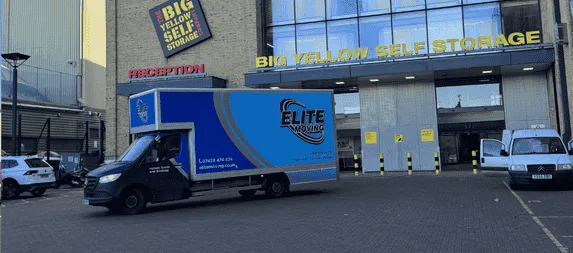
Benefits of Professional Handling
Experienced movers understand weight distribution and truck loading dynamics. They secure items properly to prevent movement during transit.
Elite Moving follows strict safety protocols designed to minimise vibration damage and shifting. Professional handling provides confidence and protection throughout the journey.
Hiring experts transforms a potentially risky move into a structured and secure relocation.
Final Thoughts
Understanding how to protect belongings during a long move is essential for a successful relocation. Proper packing materials, careful wrapping, strategic loading, and organised planning dramatically reduce the risk of damage.
Whether moving across the state or across the country, preventive measures protect both your financial investment and sentimental possessions.
Partnering with professionals like Elite Moving adds an extra layer of expertise and security. With thoughtful preparation and reliable support, your long-distance move can be safe, efficient, and stress-free.
Protection begins with planning—and careful planning ensures everything arrives exactly as it should.
FAQs
1. How do I protect furniture during a long move?
Disassemble large furniture when possible and wrap each piece in thick moving blankets. Use corner protectors to prevent dents and scratches. Secure items tightly inside the truck to prevent shifting during transit. Avoid stacking heavy objects on delicate surfaces to preserve their condition.
2. What is the best way to pack fragile items?
Wrap each fragile item individually with bubble wrap or packing paper. Fill empty spaces in the box with cushioning material to prevent movement. Clearly label the box as fragile and position it on top of heavier boxes in the moving vehicle.
3. Should I use professional packing services?
Professional packing services significantly reduce damage risk. Trained movers use quality materials and secure loading methods. Hiring experts saves time, reduces stress, and improves overall safety during long-distance relocation.
4. Is moving insurance necessary for long-distance moves?
Insurance provides financial protection in case of accidental damage. Basic coverage may offer limited compensation. Discuss full-value protection options with your moving company to ensure complete peace of mind.
5. How can I organise my move efficiently?
Create a detailed checklist and timeline. Pack room by room and label every box clearly. Keep important documents and valuables separate. Early preparation reduces last-minute stress and minimises the risk of mishandling belongings during your move.
Contact Elite Moving today.
Phone: 07428474474
Email: info@elitemoving.co.uk
Website: Elite Moving
Social Media: Follow us on Instagram, LinkedIn & Facebook
Choose Elite Moving’s top services across Europe and internationally