
Moving can feel easier and more organised with the right packing approach. Smart packing helps secure belongings, saves time, and ensures you know exactly where everything is. At Elite Moving, the aim is to make moving stress-free. Elite Moving provides packing Services and also packing tips for moving. Following these packing tips will help you enjoy a smooth transition to your new space, knowing your items are safe and well-organised.
Start by decluttering your home before packing. Sorting items and deciding what to keep, sell, or donate helps lighten the load. Fewer items mean easier packing and less time spent organising. By focusing on items you truly need, you create space for fresh starts. Sort through each room, separating essentials from unused items.
This method simplifies the packing process, reduces moving costs, and ensures everything that comes along has value. Decluttering also makes unpacking in your new space enjoyable, with only items you truly love and use.
Quality packing materials make a big difference in protecting belongings. Invest in sturdy boxes, bubble wrap, packing tape, and markers to label everything. Reinforce fragile items with padding like blankets, bubble wrap, or foam inserts. Choosing strong boxes prevents damage, and proper labelling ensures easy organisation.
Use smaller boxes for heavier items and larger ones for lightweight items, creating a balanced load. Having durable materials on hand saves time and stress during the packing process, keeping everything safe for the journey ahead.
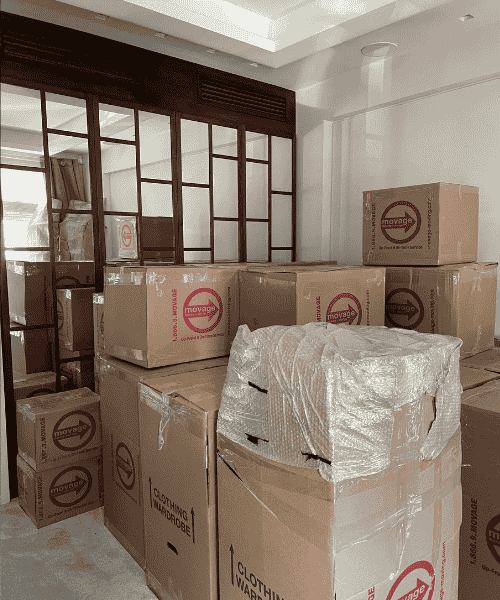
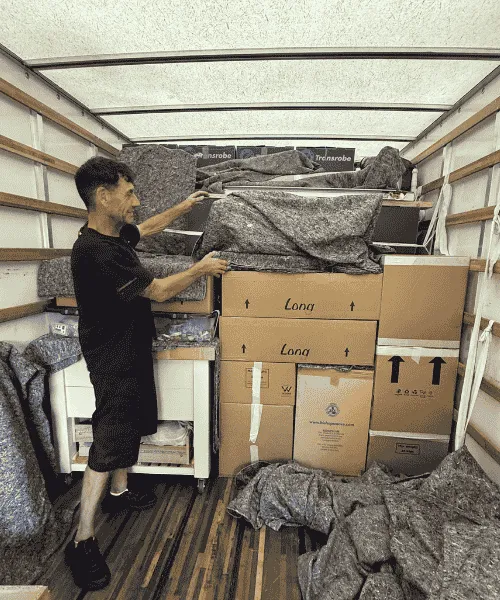
Starting early provides more time to organise belongings efficiently. Packing a little each day, starting with non-essential items, prevents last-minute stress. By pacing yourself, you make better decisions about what to keep and pack.
Set daily goals for specific areas or types of items, so you stay on track without feeling overwhelmed. Early packing also allows you to notice items you may no longer need, streamlining your moving load even further. This approach turns packing into a manageable, stress-free part of the moving experience.
Packing by room keeps belongings organised and makes unpacking simpler. Focus on one area at a time, labelling each box with its room and contents. This method ensures items stay together and eliminates confusion later. Start with less-used rooms and work toward everyday areas.
Keeping each room separate also allows a smoother unpacking process at the new place, helping you find essentials easily. Taking it one room at a time transforms packing from a chaotic task to a structured, achievable project.
Clear labelling saves you endless hassle when unpacking. Mark each box with its room and a few words on contents, like “kitchen – dishes” or “bedroom – linens.” Labels give a clear idea of where each box belongs, reducing time spent searching for items.
Using a bold marker and writing on multiple sides makes identification even easier. This simple step saves time and effort, making the entire move more organised and reducing frustration when setting up the new space.
Fragile items need extra care during the move. Wrap each piece in bubble wrap, packing paper, or soft cloth to prevent breakage. Place these items in smaller boxes with padding around them to keep them secure. Heavier items should go at the bottom, with lighter, delicate pieces on top.
This method keeps everything safe while in transit and ensures peace of mind, knowing your fragile possessions arrive in perfect condition. Taking these precautions helps avoid the disappointment of damaged items at the new location.
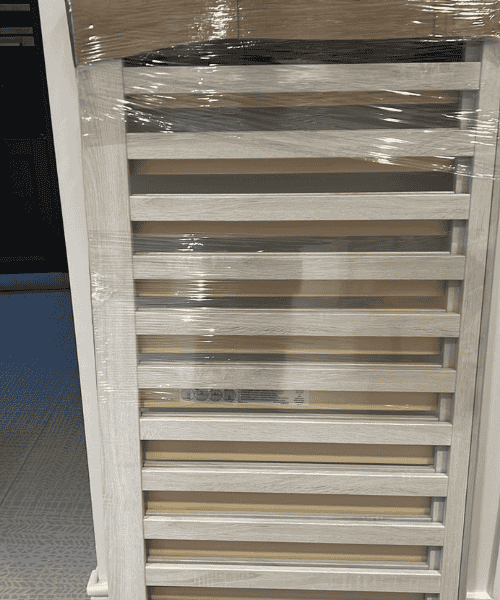
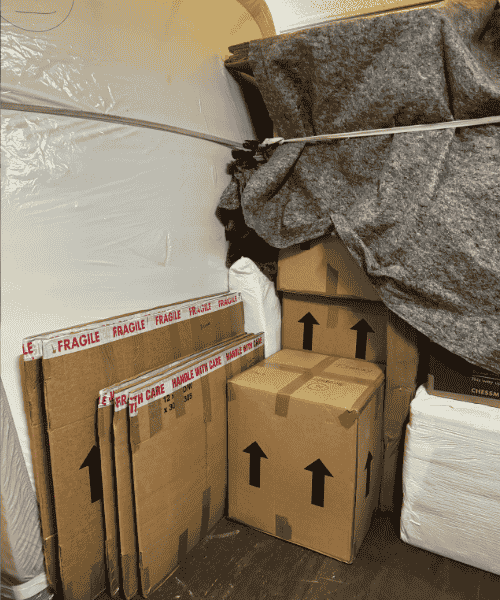
Packing heavy items like books or cookware in small boxes makes them easier to lift and carry. Smaller boxes help prevent injuries and keep movers safe by limiting the load per box. Keeping heavy items compact also avoids damage to boxes and belongings.
This method allows easy stacking and maximises efficiency. Use reinforced packing tape on the bottom of these boxes to keep them secure, ensuring nothing spills out during the move. Small boxes for heavy items simplify loading and make transport safer.
Set aside an essentials box for the first day in your new home. Include must-have items like toiletries, chargers, snacks, and basic kitchen supplies. This box ensures you won’t need to dig through multiple boxes for necessities after a long day of moving.
Place this essentials box in an easily accessible spot, so it’s right there when you need it. Including an essentials box makes the first day comfortable and reduces the hassle of unpacking immediately. It’s a smart way to start fresh in your new home.
Taking apart large furniture, like beds and tables, makes transportation easier. Use zip-lock bags to store small screws and bolts, labelling each bag for easy reassembly later. Keep these bags taped to the furniture or in a designated container.
Disassembling furniture also allows more space in the moving truck, making the load more secure. With everything labelled and safely packed, reassembly becomes a straightforward task at your new place. This careful preparation saves you time and frustration during setup.
Electronic items need special handling during moves. Remove batteries, cords, and accessories, packing them separately to avoid damage. Use original boxes for electronics, or find well-fitted ones with protective padding. Label cords to match each device, making reconnection easier at the new place.
Wrapping electronics with bubble wrap or cloth and placing them upright in boxes keeps them safe from shocks. Taking these steps ensures that devices arrive undamaged and ready to use, protecting valuable investments and saving time during setup.
Important documents, such as passports, medical records, and insurance papers, should stay with you during the move. Place them in a folder or secure envelope and keep them in a designated bag or briefcase. Keeping these papers close prevents misplacement and ensures you have access to them anytime.
Losing essential documents adds stress, so taking them along offers peace of mind. Having all important papers easily accessible means you avoid unnecessary stress throughout the move, safeguarding key information.
Using soft items like towels and clothes as padding saves space and protects fragile belongings. Wrap glasses, dishes, and breakables in fabric items, reducing the need for extra packing materials. Placing clothes in boxes around delicate items also provides an extra layer of cushioning.
This eco-friendly approach keeps items safe and reduces waste from additional packing supplies. Additionally, using items you already have makes packing more efficient, letting you handle delicate belongings with confidence and keeping the process simple.
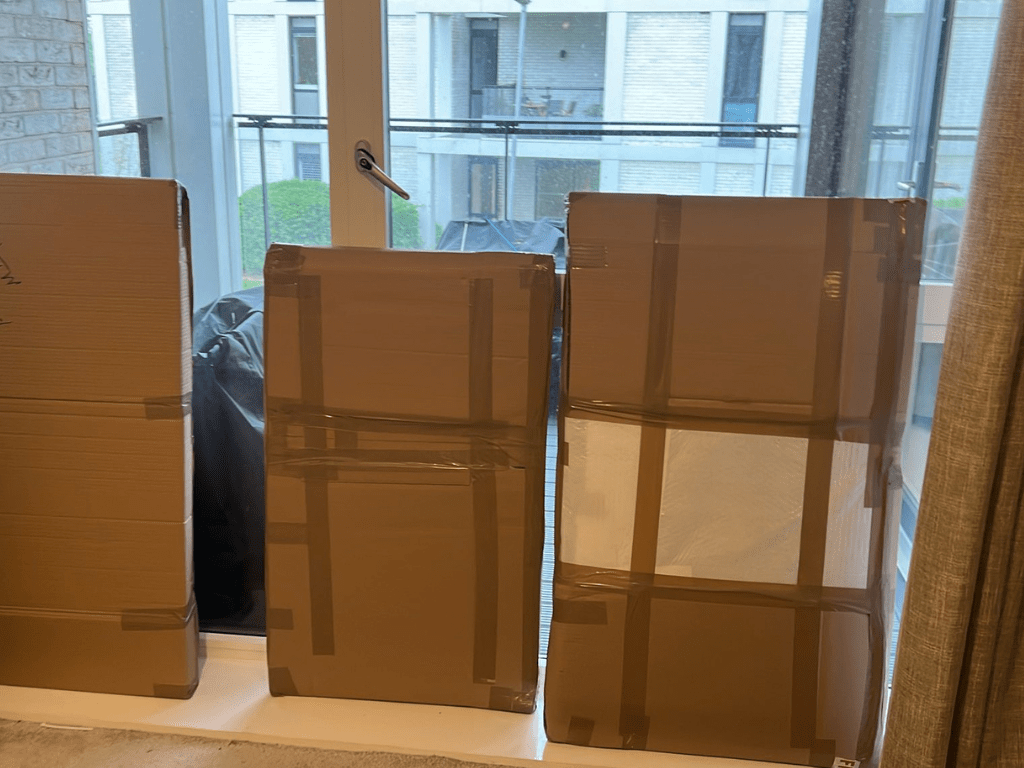
Overfilling boxes can lead to broken items and strained backs. Keep boxes lightweight and filled just enough to prevent shifting during transit. For items prone to breakage, leave space for padding. Using a reasonable amount of tape keeps boxes secure without adding unnecessary weight. This strategy makes lifting and stacking boxes easier, protecting belongings and preventing unnecessary accidents. Handling each box thoughtfully ensures your move goes smoothly, minimising both damage and effort on a moving day.
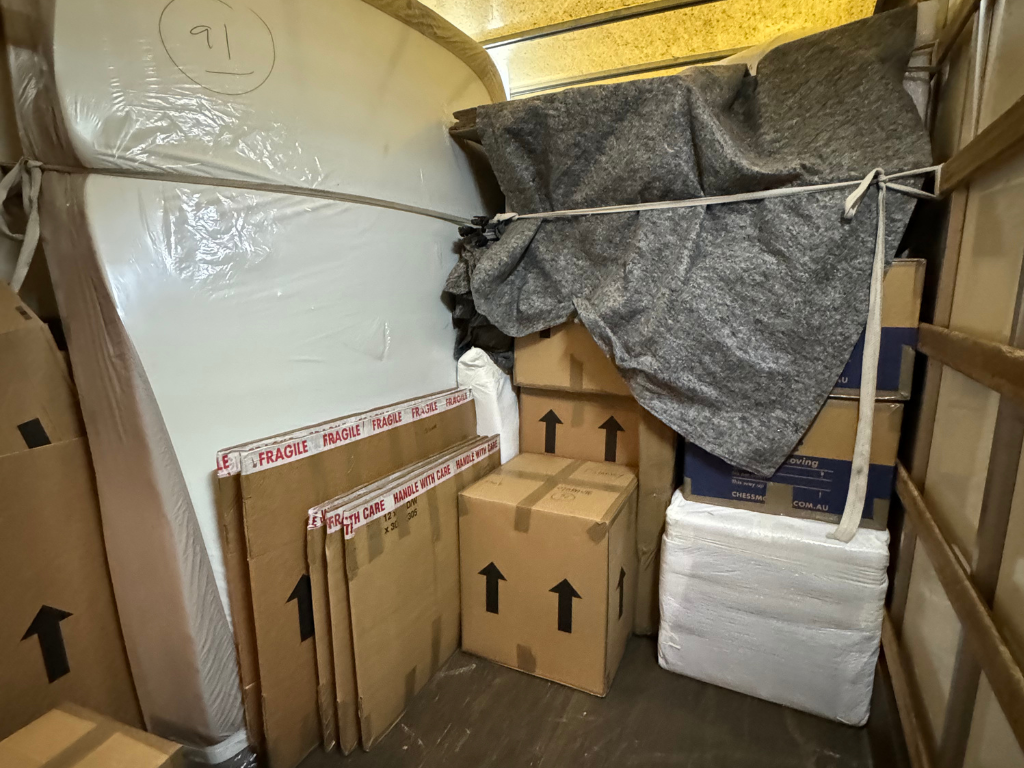
Placing heavier boxes at the bottom and lighter ones on top keeps everything balanced. This arrangement secures boxes during transit, reducing the risk of items shifting and breaking. Organising by weight also makes unloading easier, as heavier boxes come out first. This method maintains the truck’s stability and protects valuable items. Creating a balanced load keeps everything secure and allows for smooth unloading, ensuring your items arrive in perfect shape, ready for your new space.
A final check of packed boxes ensures nothing important gets left behind. Confirm each box is properly labelled, sealed, and protected. This last review allows you to adjust anything needing extra attention. Checking boxes prevents surprises, ensuring all items stay organised and secure for the journey. By going through boxes one last time, you can feel confident about the upcoming move, knowing every item has been packed with care, ready for a smooth transition to your new home.
These tips will keep your belongings safe and your move smooth. With smart preparation and these packing strategies, moving day becomes easier and stress-free. Elite Moving believes in turning every move into a positive experience, making settling into your new home a joy.

