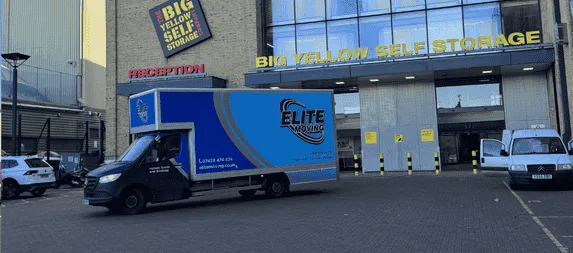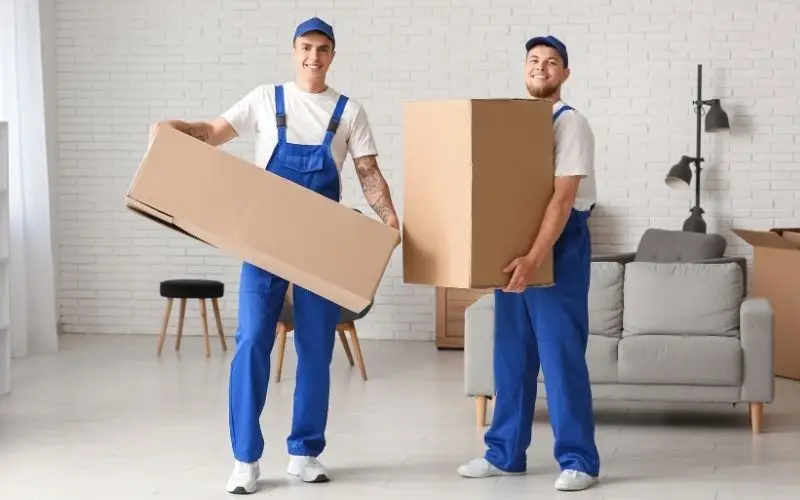
Moving to a new home can be exciting, but handling delicate items during a move often causes unnecessary stress. Fragile possessions such as glassware, artwork, antiques, and electronics require extra care, planning, and the right packing techniques. Without proper preparation, even a short move can result in damage that is costly or impossible to repair.
At Elite Moving, we understand how important your delicate belongings are. We work with homeowners every day who want peace of mind knowing their valuables will arrive safely. Whether you are moving locally or relocating across the country, learning how to protect delicate items during a move can save time, money, and worry.
With the right approach, even the most fragile possessions can be transported safely and efficiently.
Why Protecting Delicate Items Matters
Delicate items are often fragile, valuable, or irreplaceable. A single crack in fine glassware or a chip in a family heirloom can result in both financial and emotional loss. Unlike furniture or everyday items, many fragile belongings cannot be easily replaced.
Proper protection during a move helps ensure:
-
Safe transportation from start to finish
-
Reduced stress on moving day
-
Preservation of sentimental and high-value items
-
Fewer delays caused by breakages or repacking
A careful approach significantly reduces the risk of accidents. It also gives you confidence that your belongings are being handled responsibly throughout the moving process.
Essential Packing Materials
Using the correct packing materials is the foundation of protecting delicate items during a move. Poor-quality materials or shortcuts often lead to damage.
Essential materials include:
Bubble Wrap
Ideal for cushioning fragile items and absorbing shock. Each delicate item should be wrapped individually.
Packing Paper
Unprinted packing paper works well for china, ceramics, and glass. It prevents scratches and adds an extra protective layer.
Packing Peanuts or Void Fillers
Used to fill gaps inside boxes, preventing movement during transport.
Strong Moving Boxes
Double-walled boxes provide extra strength and are especially important for fragile or heavy items.
Foam Sheets and Moving Blankets
Perfect for mirrors, artwork, televisions, and large, delicate objects.
Using these materials correctly creates a protective barrier around your items and reduces movement during transit.
Step-by-Step Guide for Packing Fragile Items
Step 1: Sort Your Items
Begin by separating fragile items from sturdy belongings. Create a checklist that includes glassware, ceramics, antiques, artwork, electronics, and collectables. This allows you to plan packing time and materials properly.
Sorting also helps you decide which items may require professional packing services.
Step 2: Wrap Items Individually
Each delicate item should be wrapped on its own using bubble wrap or packing paper. Pay special attention to corners, handles, and edges, as these areas are most likely to break. Fragile items should never touch each other inside a box.
Multiple layers provide added protection, especially for high-value possessions.
Step 3: Label Boxes Clearly
Every box containing delicate items should be labelled “Fragile” and marked with arrows showing the correct upright position. Clear labelling ensures movers know which boxes require extra care.
This simple step greatly reduces the chance of mishandling.
Step 4: Use Padding Inside Boxes
Empty space inside boxes allows items to shift and collide. Fill all gaps with packing peanuts, foam, or crumpled paper. Items should feel secure and not move when the box is gently shaken.
Padding is essential for absorbing vibrations during transport.
Step 5: Secure Boxes Properly
Seal boxes using strong packing tape along all seams. Avoid overfilling boxes, as excess weight increases pressure and can lead to breakage. Smaller boxes are better for heavy, delicate items.
A well-sealed box offers both stability and protection.
Step 6: Transport With Care
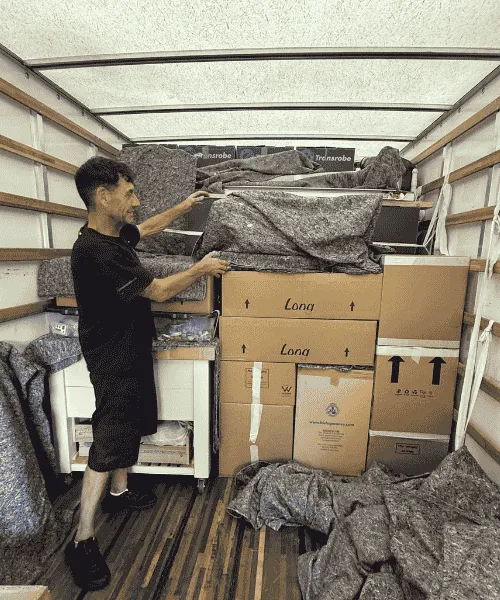
During loading, fragile boxes should always be placed on top of heavier items. Never stack heavy furniture or appliances on delicate boxes. Proper placement inside the moving vehicle is crucial for safety.
Professional movers understand how to distribute weight evenly and securely.
Step 7: Unpack Slowly and Carefully
Once you arrive, unpack fragile items slowly. Remove padding gently and inspect each item as you go. Avoid rushing, as many accidents happen during unpacking rather than transport.
Taking your time helps prevent unnecessary damage.
Tips for Protecting Specific Items
Different items require different packing techniques. Understanding these details can make a significant difference.
Glassware
Wrap each glass individually and place it upright in a padded box. Avoid laying glasses flat, and use dividers if available.
Plates and Ceramics
Stack plates vertically, not flat, with padding between each one. This reduces pressure and lowers the risk of cracks.
Artwork and Mirrors
Cover with foam sheets, cardboard protectors, and moving blankets. Secure frames carefully to avoid scratches.
Electronics
Use original packaging whenever possible. If unavailable, wrap devices in bubble wrap, secure cables, and place them in sturdy boxes with padding.
Antiques
Antiques often require specialist packing. Professional services can provide custom crates and handling techniques for maximum protection.
Common Mistakes to Avoid
Even careful movers make mistakes that increase the risk of damage. Avoid these common issues:
-
Failing to label boxes as fragile
-
Overpacking boxes beyond safe weight limits
-
Skipping padding inside boxes
-
Placing heavy items on top of delicate ones
-
Rushing the unpacking process
Avoiding these mistakes can dramatically improve the safety of your move.
Why Choose Elite Moving for Fragile Items?
Protecting delicate items requires experience, patience, and the right equipment. At Elite Moving, safety and professionalism come first.
Clients trust Elite Moving because we offer:
-
Expertise – Years of experience handling fragile and high-value belongings
-
Quality Materials – Premium packing supplies designed for maximum protection
-
Custom Packing Solutions – Methods tailored to your specific items
-
Reliable Transport – Vehicles equipped to secure delicate boxes safely
-
Peace of Mind – Careful handling at every stage of the move
We treat every item as if it were our own, ensuring your possessions arrive in perfect condition.
Additional Tips for a Smooth Move
A few extra steps can make your move even easier:
-
Pack fragile items early to avoid last-minute pressure
-
Use smaller boxes for heavy delicate items
-
Keep a first-day essentials box separate
-
Maintain clear walkways for movers
-
Consider professional packing for irreplaceable items
Planning ahead reduces stress and helps prevent accidents.
FAQs About Protecting Delicate Items During a Move
1. How should I pack delicate glassware for a move?
Wrap each glass individually using bubble wrap or packing paper. Place glasses upright in a padded box and fill gaps with packing peanuts. Label the box clearly as fragile.
2. Can I move antiques safely without professional help?
Yes, with proper materials and careful handling. However, for high-value antiques, professional movers like Elite Moving significantly reduce the risk of damage.
3. What materials are best for protecting fragile items?
Bubble wrap, packing paper, foam sheets, packing peanuts, and strong double-walled boxes provide the best protection during transport.
4. How can I prevent items from breaking during transport?
Pack items individually, fill empty spaces, label boxes clearly, and place fragile boxes on top during loading. Careful handling is essential.
5. Should electronics be packed differently?
Yes. Use original packaging if possible. If not, wrap electronics in bubble wrap, secure cords, and place them in padded boxes to prevent movement.
Quick Fragile Item Checklist
-
Sort items by fragility
-
Wrap each item individually
-
Label boxes clearly as fragile
-
Fill empty spaces with padding
-
Place fragile boxes on top during transport
-
Unpack slowly and carefully
Following this checklist helps ensure a safer and more organised move.
Tips for a Stress-Free Move
-
Start packing early
-
Avoid overpacking boxes
-
Keep essentials separate
-
Use high-quality packing materials
-
Hire professional movers if unsure
Small steps make a big difference when protecting delicate belongings.
Conclusion
Learning how to protect delicate items during a move is essential for a smooth and stress-free relocation. With the right materials, careful packing, and proper handling, fragile belongings can arrive safely at your new home.
Elite Moving provides expert guidance, professional packing, and reliable transport to protect your most valuable possessions. Our commitment to care and precision ensures your move is efficient, secure, and worry-free from start to finish.
Contact Elite Moving today.
Phone: 07428474474
Email: info@elitemoving.co.uk
Website: Elite Moving
Social Media: Follow us on Instagram, LinkedIn & Facebook
Choose Elite Moving’s top services across Europe and internationally