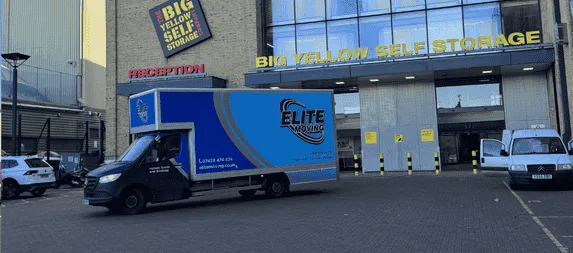

Planning a business relocation? You might be wondering, “What are the costs of moving offices in Europe?” This is one of the most common questions companies face when preparing for a move. Whether you’re expanding to a new city or shifting within the same country, understanding these expenses helps you budget effectively and avoid unexpected surprises.
From transport fees to specialised services, costs can vary widely depending on several factors. In this guide, we’ll break down the main elements influencing your budget and offer practical tips to make your European office move smooth, efficient, and cost-effective.
Why Knowing Office Moving Costs Matters
Relocating an office involves far more than packing desks and chairs. It’s about ensuring business continuity, minimising downtime, and managing expenses. By understanding where the money goes, you can plan ahead and avoid overspending. Let’s explore the key factors that determine your final moving costs.
Key Factors Affecting Office Moving Costs in Europe
Several elements shape the final bill for your office relocation. Some are within your control, like timing and preparation, while others depend on external conditions such as location and local regulations. Here’s a closer look at what affects the price.
Office Size and Volume
The size of your office directly affects your moving costs. Movers typically charge based on square footage or the number of workstations. A small office of around 3,000 sq ft may cost between £3,500 and £7,000 in the UK, while similar spaces in Germany or the Netherlands might range from €4,000 to €8,000.
Before you begin, take inventory of your furniture, IT equipment, and files. The more items you have, the higher your costs for packing materials and labour. Downsizing before the move by selling or donating old furniture can save hundreds or even thousands of pounds.

Distance and Location
Distance plays a major role in determining moving costs. A local move within the same city is cheaper than a cross-border relocation. For instance, relocating from Berlin to Munich may add €1,000–€3,000 in transportation fees alone.
City centre locations such as Paris, London, or Amsterdam often come with added challenges — narrow streets, limited parking, and congestion charges. In London, for example, parking fines can reach £65 per vehicle if not managed properly. In contrast, rural moves offer easier access but usually involve longer travel times.
If you’re moving between EU and non-EU countries, customs checks and import paperwork may also add to your total expenses.
Timing and Seasonality
When you move can significantly influence your budget. Peak seasons, particularly the summer months, can push prices up by 20–30% due to high demand. Weekend or after-hours relocations may also come with premium rates since they help businesses reduce downtime.
Planning your office move for mid-week during off-peak seasons (such as late autumn or winter) often results in better deals. Booking movers at least three months in advance also gives you more negotiating power and ensures availability.
Additional Services Required
While standard moving quotes usually cover transport and basic labour, additional services can quickly raise your overall cost. For example:
-
IT setup and reconnection: €500–€2,000
-
Furniture assembly or disassembly: €300–€1,000
-
Temporary storage: €20–€40 per week
-
Cleaning and waste disposal: €300–€600
For cross-border relocations, you may also need multilingual support or customs assistance, which can increase costs by 10–15%.
Always clarify what’s included in your quote to avoid surprise add-ons later.
Detailed Breakdown of Office Relocation Expenses
To make budgeting easier, let’s look at an average breakdown of office relocation expenses in Europe. These figures represent typical ranges and can vary by country, service level, and company size.
Hiring Professional Movers
Professional movers handle the heavy lifting, transport logistics, and safety of your office items. In the UK, a medium-sized office move typically costs £3,000–£10,000, while in Germany, expect to pay around €3,500–€11,000.
The price generally covers 8–10 hours of work with a team of five to ten movers. Always choose certified professionals with insurance to reduce the risk of damage or loss.
Packing Materials and Supplies
Packing materials are an essential yet often underestimated cost. Expect to spend around £200–£400 for a 50-workstation office in the UK or €250–€450 in the Netherlands. This includes sturdy boxes, bubble wrap, packing paper, and tape.
If your team packs items in advance, you can save on labour costs. Labelling each box properly also speeds up unpacking and minimises downtime.
Transportation and Logistics
Transport costs form the backbone of any move. For a local relocation, you might spend £600–£700 per van in the UK. Cross-country moves in France or Spain, however, can range from €800–€1,500 due to fuel, tolls, and longer travel distances.
Some cities impose congestion or access charges (for instance, in Rome or Paris), adding €15–€50 per trip. Efficient planning helps minimise these extra charges and ensures your move stays on schedule.
Insurance and Liability
Insurance is vital to protect your office assets during transit. Basic coverage starts around €200–€500, while full coverage for high-value or sensitive items can exceed €1,000. In countries like Spain, the rates are similar.
Always check policy details and exclusions. Businesses handling confidential data or expensive equipment should opt for comprehensive protection for peace of mind.
IT and Equipment Handling
Moving IT equipment is one of the most delicate parts of an office relocation. Dismantling, packing, and reinstalling servers and computers can cost £500–£2,000 in the UK or €600–€2,200 in Belgium.
Specialist movers use anti-static packaging and climate-controlled vehicles to protect sensitive technology. It’s also a good idea to have IT technicians on-site to test systems immediately after the move.
Dilapidations and Refurbishments
When vacating an old office, you might be responsible for restoring it to its original condition — a process known as dilapidations. Costs in the UK range from £7–£30 per sq ft, depending on the property’s condition. In Poland, this is typically lower, around €5–€20 per sq ft.
If you’re refurbishing your new space, expect to spend €20–€90 per sq ft on painting, flooring, and design. Reviewing your lease early helps avoid unexpected repair bills later.
Legal and Administrative Fees: What Are the Costs of Moving Offices in Europe?
Legal and administrative fees often catch businesses off guard. Solicitors in the UK may charge £2,300–£8,000 for reviewing new lease agreements. In Italy, similar services cost between €2,500 and €9,000.
Add in property surveys, which can cost €800–€5,000, and you start to see how quickly these expenses build up. Always notify clients, suppliers, and service providers early to prevent fines or miscommunication.
Average Costs Across European Countries
Office relocation costs vary greatly across Europe. Below is a general comparison:
| Region | Typical Cost Range | Notes |
|---|---|---|
| United Kingdom / France | €5,000–€15,000 | Higher due to labour and rent |
| Germany / Netherlands | €4,500–€14,000 | Moderate, efficient services |
| Eastern Europe (e.g., Hungary) | €3,000–€10,000 | Lower labour costs |
| Scandinavia (e.g., Sweden) | €6,000–€18,000 | Higher wages and logistics fees |
These averages provide a benchmark, but always get local quotes for accuracy. Economic trends, fuel prices, and inflation can also impact your total bill.

Tips for Reducing Your Office Moving Costs
Every business wants to relocate efficiently without overspending. Here are smart ways to lower your moving costs:
-
Declutter before moving. Sell or donate unused furniture and equipment to reduce transport volume.
-
Get multiple quotes. Compare at least three professional movers for the best rates.
-
Book early. Early bookings help you avoid peak-season surcharges.
-
Move mid-week. Weekdays usually offer lower rates than weekends.
-
Use reusable crates. They’re more cost-effective and eco-friendly than disposable boxes.
-
Involve your staff. Ask employees to pack personal items and label boxes.
-
Negotiate dilapidation costs. Discuss lease-end repairs early with your landlord.
-
Opt for shared transport. Combining shipments can lower fuel and vehicle expenses.
-
Create a contingency fund. Set aside 10–15% of your budget for unexpected costs.
Following these steps can help you reduce expenses by 20–30%, without compromising quality.
Why Choose Elite Moving for Your Office Relocation
When it comes to office relocations across Europe, Elite Moving is your trusted partner. We specialise in seamless, cost-effective business moves tailored to your company’s needs.
Our team offers transparent pricing, professional packing, IT handling, and secure cross-border logistics. We focus on minimising downtime so your business continues running smoothly throughout the process. Clients across Europe value our reliability, communication, and efficiency — making us a preferred choice for both small firms and large corporations.
Frequently Asked Questions: What Are the Costs of Moving Offices in Europe?
What factors most influence office moving costs in Europe?
The biggest factors are office size, distance, and services. Large spaces need more labour, and long distances increase transport fees. Add-ons like IT setup and cleaning also affect the price.
How much does a small office move cost in the UK?
For an office under 3,000 sq ft, expect £3,500–£7,000, including labour, transport, and materials. Costs in London are slightly higher due to congestion charges.
Are there hidden costs in office relocations?
Yes. Common hidden costs include dilapidations (£7–£30 per sq ft), legal fees (£2,300–£8,000), and storage or insurance charges. Plan for these early to avoid shocks.
Can I deduct office moving costs from taxes in Europe?
In many countries, yes. For example, Germany allows certain work-related move deductions. Keep receipts and consult a tax advisor for local regulations.
How long does an office move take in Europe?
Local moves typically take 1–3 days, while cross-border relocations can take up to a week. Early planning and professional coordination help minimise downtime.
Final Thoughts: What Are the Costs of Moving Offices in Europe?
So, what are the costs of moving offices in Europe? Depending on your office size, distance, and required services, expenses can range from €3,000 for small local moves to over €20,000 for large international relocations.
With careful planning, transparent quotes, and smart budgeting, you can control your spending while ensuring a smooth transition.
Ready to relocate your business? Contact Elite Moving today for a free, no-obligation quote — and let our experts handle every detail while you focus on growing your company.
For a personal quotation or to discuss your upcoming move, contact Elite Moving today.
 Phone:
  Email:
  Website: Elite Moving
Social Media: Follow us on Instagram, LinkedIn & Facebook
Choose Elite Moving’s top services across Europe and internationally